Builder gel, sometimes called a structured manicure or an overlay, is a thicker gel applied over your own nails and cured under a lamp. It does not add length the way extensions do. It adds strength, so a natural nail that normally bends, peels at the tip, or snaps at the same corner every month can grow past its usual breaking point. When it works, it feels unremarkable, which is the point. When it does not, the problems follow patterns, and patterns can be troubleshot.
At Nail'Lyn in Gastonia, builder gel sits alongside gel polish, acrylic sets, and dip powder. Choosing between them starts with the symptom you are trying to fix, not with the product name.
Start from the symptom
If your nails peel in layers at the tip, the cause is usually water and wear softening the nail, and a sealed overlay helps by keeping the edge protected. If one nail always breaks at the side, look for a stress point where the nail flexes, often on your dominant hand, and note that shape and a slightly shorter length may matter as much as product. If polish alone chips in two days, your nails may be flexible enough to bend away from a thin coating, and a structured layer that moves less is a logical next step. If nails are thin and sore after rough removal of another product, builder gel is not the first move; a recovery stretch with plain manicures and oil is, because coating damaged nails hides the problem instead of healing it.
Applying and living with an overlay, step by step
- Assessment first: the technician checks for peeling, breaks, and any nail that looks infected or separated, and skips coating anything unhealthy.
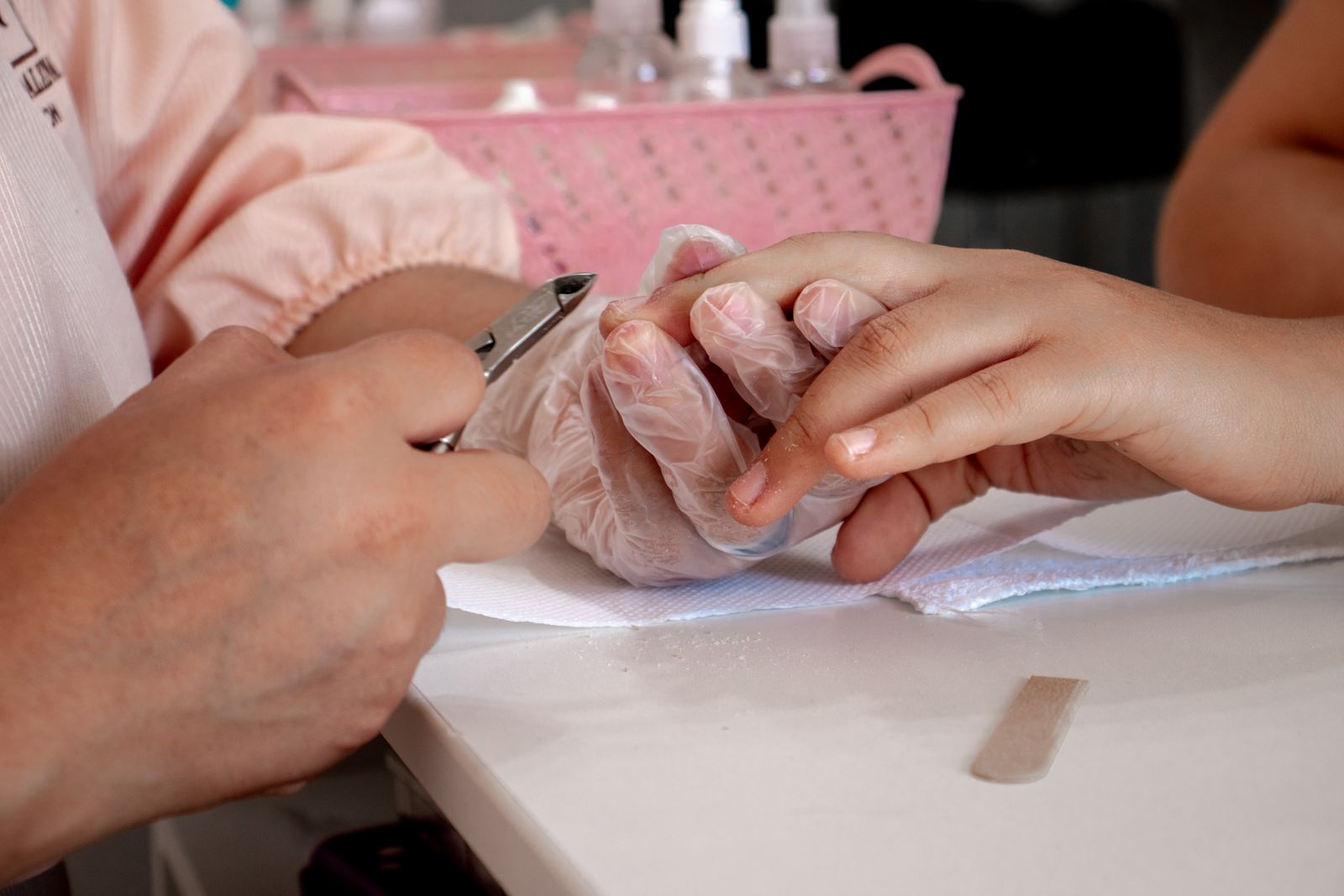
- Prep without damage: gentle cuticle work, light surface preparation, and thorough drying, because product over a damp or oily nail lifts early.
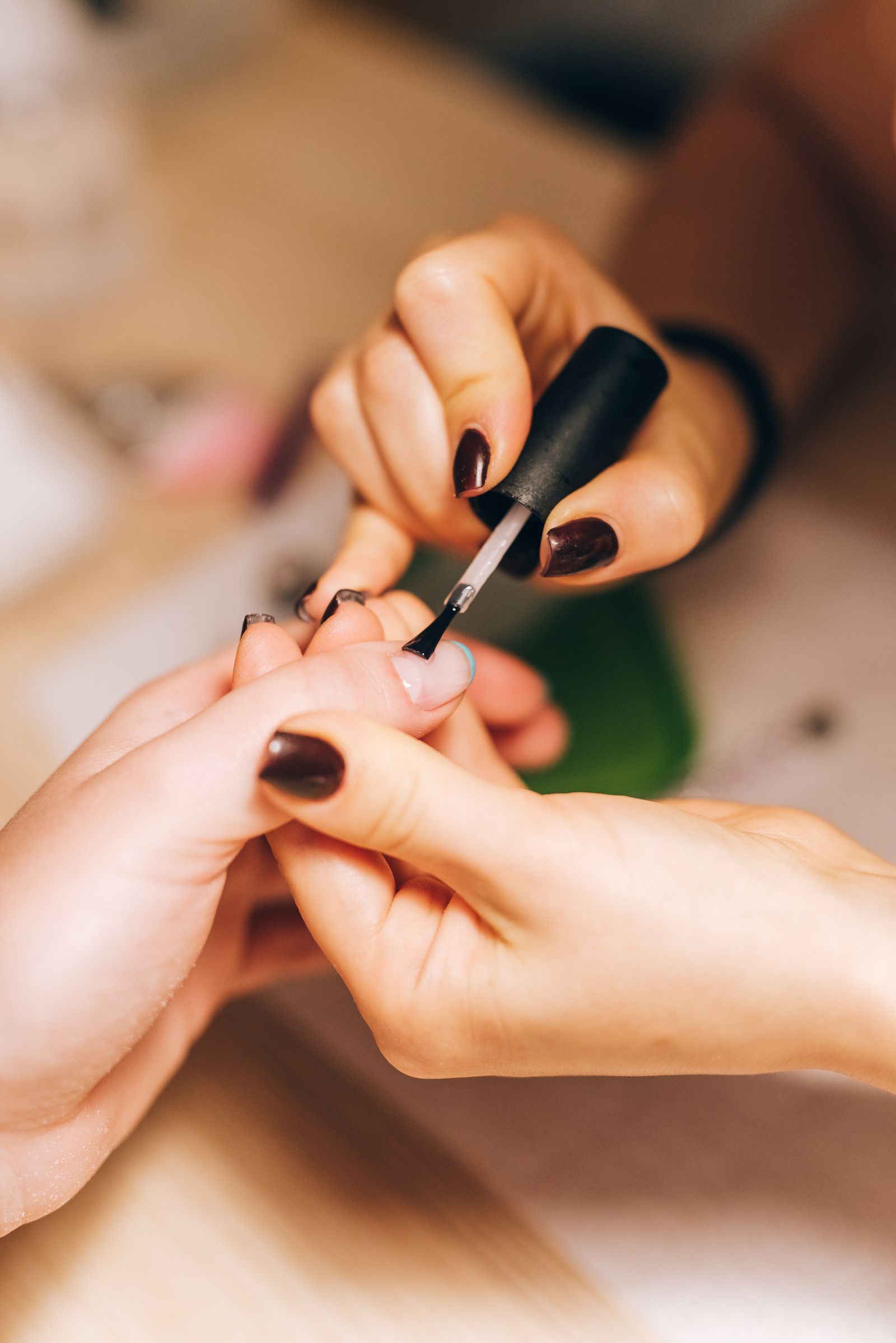
- Structure, not just thickness: builder gel is placed with more product over the stress area in the middle of the nail and thinner edges, then cured.
- The first 48 hours: treat the set gently, use gloves for dishes and cleaning, and start cuticle oil daily to keep the natural nail flexible underneath.
- Weeks two to three: watch the free edge and cuticle line. Small lifting at a corner is a repair call now, not a peel-it-off project at home.
- Fill or remove on schedule: overlays are maintained with fills as they grow out, or soaked off properly. Never pry a lifting overlay off, because it takes nail layers with it.
Who builder gel suits, and who it does not
It suits growers: people whose nails are healthy but weak, who want their own length rather than added length. It suits former biters in a later stage, once skin has healed and nails have something to coat. It suits people who like the feel of gel polish but need more support than color alone gives. It does not suit nails that are currently damaged, infected, or lifting off the bed, and it does not suit anyone who knows they will pick at edges, because a thick lifted edge is more tempting and more damaging to remove by force than a thin one. In Gastonia, honesty about picking habits saves everyone a redo.
Builder gel versus acrylic and dip
All three can strengthen nails, and the honest differences are about feel and maintenance. Builder gel keeps some flex and looks like a thicker version of your own nail. Acrylic is harder and better for adding length or surviving heavy manual work, with a stronger smell during application. Dip is a powder system many people find quick and hard-wearing, with its own removal routine. If a set of any kind repeatedly lifts within days, suspect prep, product fit for your nail type, or water exposure at work before blaming the category, and tell the next technician exactly how the last set failed.
The first set is a test, so treat it like one
Judge builder gel on evidence from your own nails, not on a friend's result. Note when the first set was applied, how it felt after a week, and exactly where any lifting started. Bring that short report to the fill appointment in Gastonia. A corner lift on your dominant hand points to a stress or length issue, lifting across several nails points to prep or product fit, and a clean three weeks with no drama means the system suits you. One honest test cycle tells a technician more than any product promise, and it turns the second appointment from a repeat into an adjustment based on how your nails actually behaved.
Common questions
Does builder gel damage natural nails?
Applied and removed properly, it should not. Most damage blamed on builder gel comes from prying off lifted product or over-filing during prep and removal, not from the gel itself.
How long does a builder gel overlay last?
Typically around three weeks before a fill is due, depending on growth and how hard your hands work. The overlay grows out with your nail, so the balance point shifts over time.
Can builder gel add length?
A small amount of extension is possible, but its real job is strength over your own nails. For significant added length, acrylic or full extensions are usually the better tool.
Photos in this guide are representative stock images.
← All guides from Nail'Lyn← Back to Nail'Lyn